Niceday
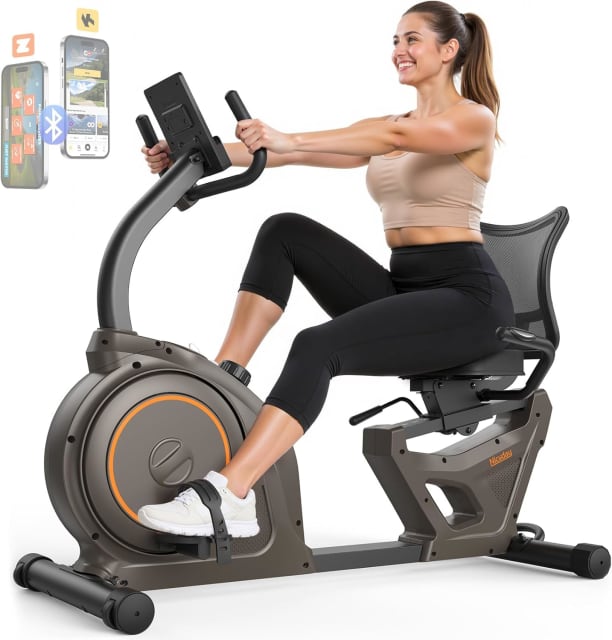
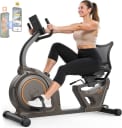
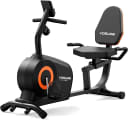
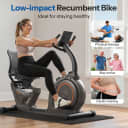
Niceday Recumbent Exercise Bike for Home Stationary Bike with APP Training
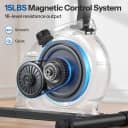
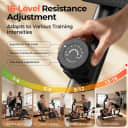
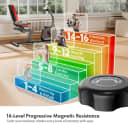
- 16 magnetic resistance levels
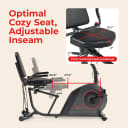
- Seat adjusts across eight positions
- Bluetooth connection for Kinomap and Zwift
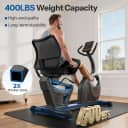
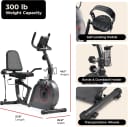
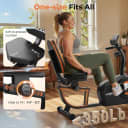
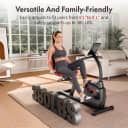
- Rated for users up to 400 pounds
available at

A comfortable, low-impact ride can make it easier to keep moving at home. Learn which fit, resistance, and support details matter most when choosing a recumbent bike for rehabilitation.
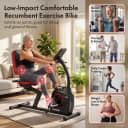
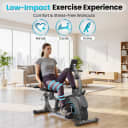
A recumbent bike can offer seated, low-impact movement at home, but comfort and fit matter as much as workout features. If you’re choosing one for rehabilitation, follow your clinician’s guidance on exercise and resistance, then use the specs below to narrow the options to a bike you can adjust and use comfortably.
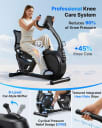
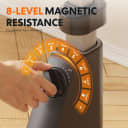
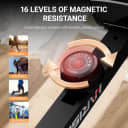
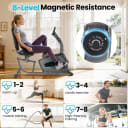
More resistance steps can make gradual changes easier. A bike with 16 levels gives you more selectable settings than one with 8, which can help you find a comfortable effort and make small adjustments as your routine changes. The number of levels doesn’t tell you how light the easiest setting is, however, so check the listing and consult your clinician about an appropriate starting point.
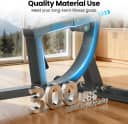
Choose capacity with a comfortable margin. Weight capacity is the manufacturer’s stated maximum user weight, not a measure of how supportive or comfortable the seat will feel. A good value is one that exceeds the user’s weight with room to spare; also check the frame description and the seller’s guidance if stability is a concern.
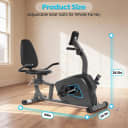
A usable seat adjustment helps you find a comfortable leg position. Some bikes offer set positions, while others use a sliding adjustment. Look for a range that lets you sit back against the support and pedal without feeling overextended; an adjustment count alone can’t confirm that the bike will fit your proportions.
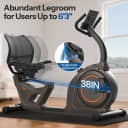
Treat height claims as a starting point, not a guarantee. Compare the listed maximum user height with the rider’s height, then check the stated seat range or leg-length measurements when available. A taller rider may need more clearance, while a shorter rider should confirm that the seat can move close enough to pedal comfortably.
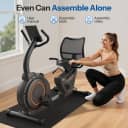
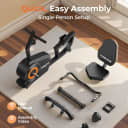
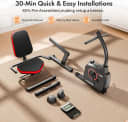
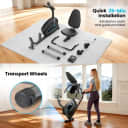
Preassembly affects setup effort, not ride quality. A stated 90% preassembled figure can mean less work than a listing that says 80%, but the percentage doesn’t reveal which steps remain or how difficult they are. Check whether tools and instructions are included, and consider whether someone can help with lifting or assembly.
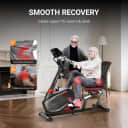
Check how you’ll get on and off before you buy. A low step-through frame can make access easier, while the seat’s position and nearby handles may also affect how manageable mounting feels. Listings don’t always provide enough detail to judge this from a photo, so compare dimensions and ask the seller about clearance if access is a key concern.
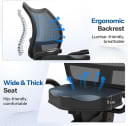
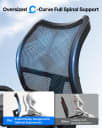
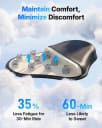
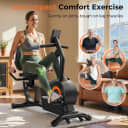
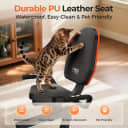
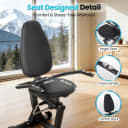
Prioritize back support and a seat you can tolerate. A padded seat and backrest may help make a session more comfortable, but descriptions such as “ergonomic” or “wide” are subjective. Look for stated seat dimensions, breathable backrest materials, and adjustment details, and check customer feedback for recurring comments about comfort or fit.
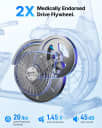
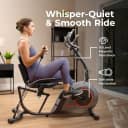
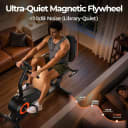
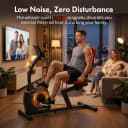
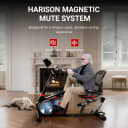
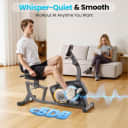
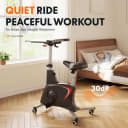
Quiet magnetic resistance may suit a shared home. Magnetic systems are commonly described as quiet, but real-world noise can vary with assembly, floor surface, and maintenance. If you plan to ride near others or watch a show while exercising, look for a magnetic resistance system and read recent customer feedback for repeated noise complaints.
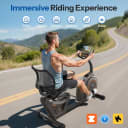
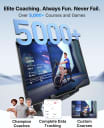
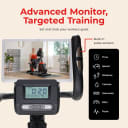
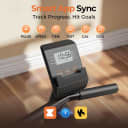
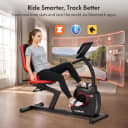
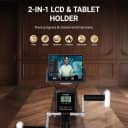
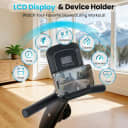
Treat displays and apps as extras. A monitor that shows time, speed, or distance can make it easier to track a routine, while Bluetooth and app connections may add guided content. These features are optional for basic pedaling; verify which metrics and apps are included, and whether any service requires a subscription.
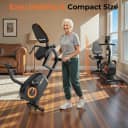
Measure the bike’s footprint and your route to its location. Compare the listed length and width with the space available, including room to approach the seat and pedal safely. Transport wheels can help reposition a bike, but they don’t make a heavy frame easy to lift over thresholds or stairs.
Read the warranty and return terms closely. Confirm the coverage period, what parts are covered, and who pays return shipping or handles service. Customer ratings can flag patterns in assembly, durability, or support, but treat individual experiences as anecdotes rather than guarantees.
Resolve conflicting specs before ordering. A listing may show different resistance counts in its title and detailed bullets, or omit a user-height range altogether. When a measurement is important to fit or safety, ask the seller to confirm it rather than assuming the more favorable figure is correct.
Swipe to compare all 8 picks →
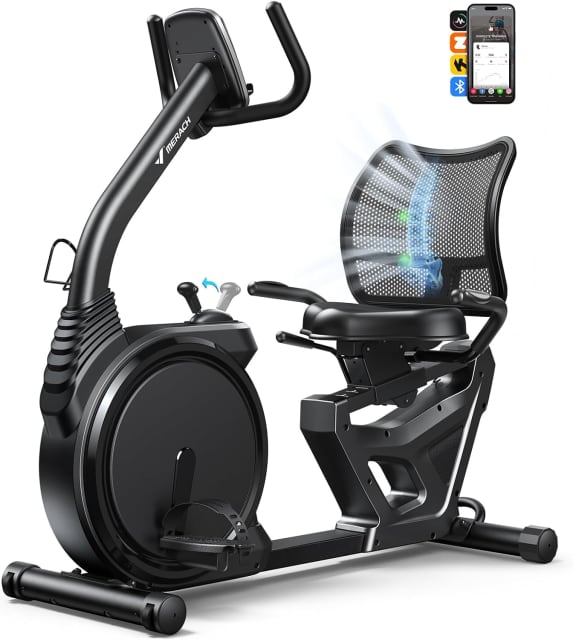
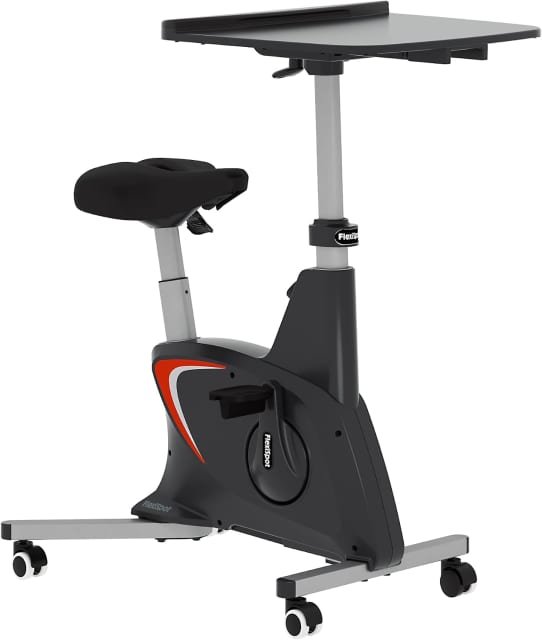
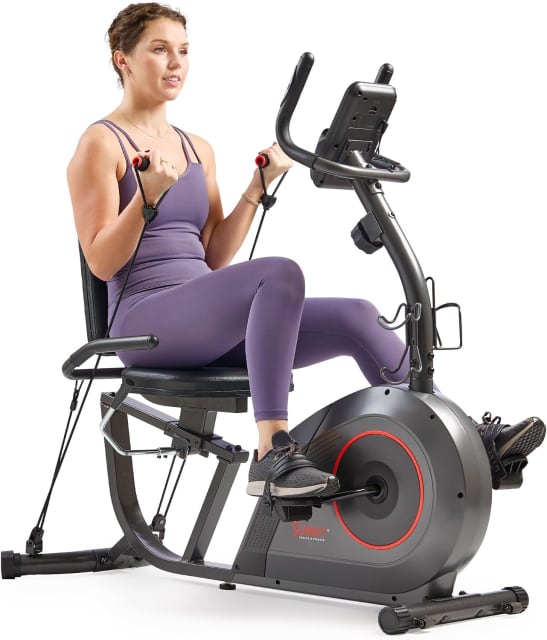
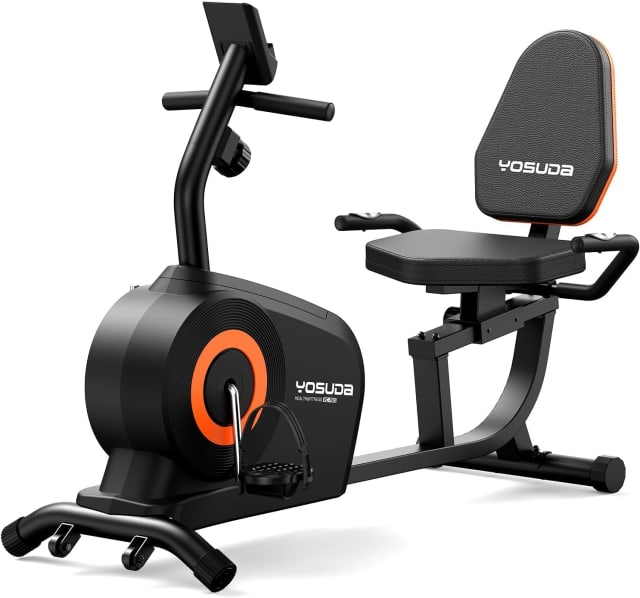
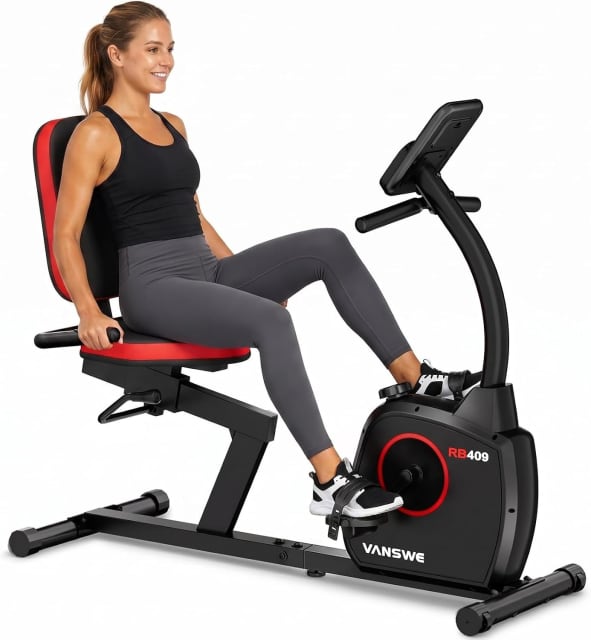
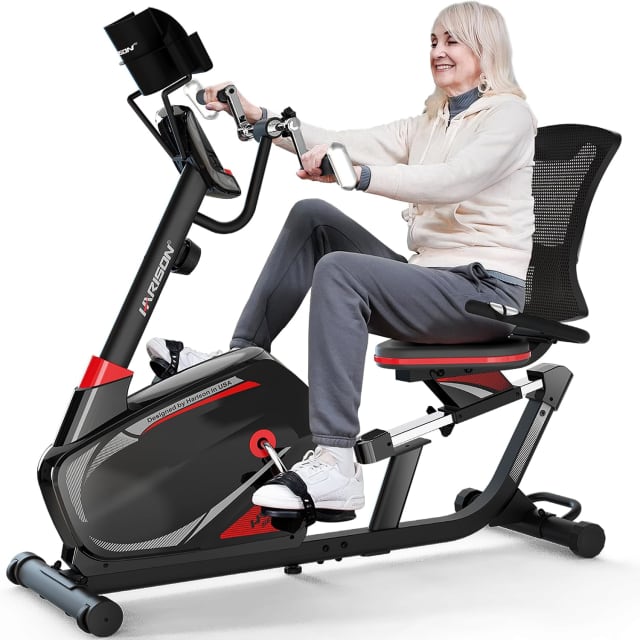
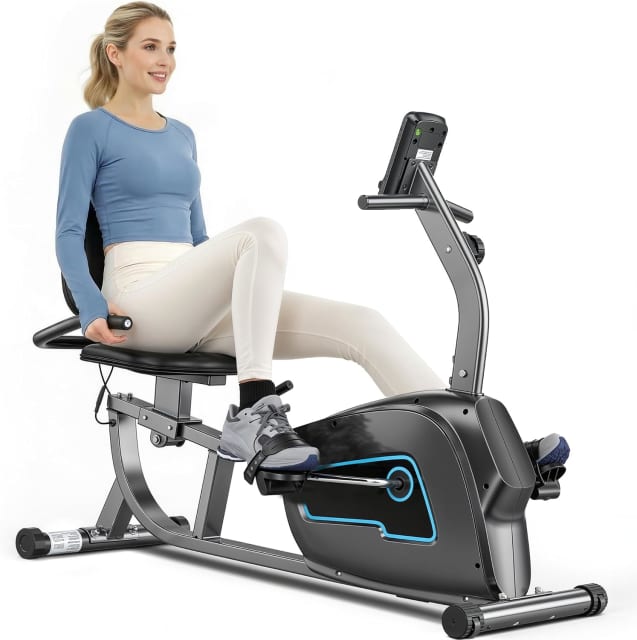
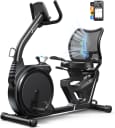
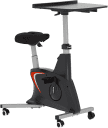
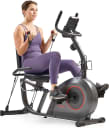
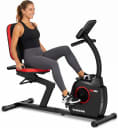
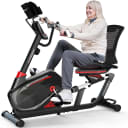
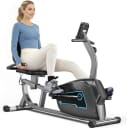
| At a glance | 1 Niceday Recumbent Exercise Bike![]() | 2 MERACH S19 Recumbent Exercise Bike![]() | 3 FLEXISPOT V9 Exercise Bike with 2D Desktop![]() | 4 Sunny Health & Fitness Smart Recumbent Bike![]() | 5 YOSUDA Recumbent Exercise Bike![]() | 6 VANSWE Recumbent Exercise Bike![]() | 7 HARISON Recumbent Exercise Bike![]() | 8 BODIOO Recumbent Exercise Bike![]() |
|---|---|---|---|---|---|---|---|---|
| Our score | 9.9/10 | 9.6/10 | 9.3/10 | 9.0/10 | 8.7/10 | 8.4/10 | 8.1/10 | 7.8/10 |
| Buyer rating | 4.2 | |||||||
| Resistance Levels | 16 levels | 8 levels | 8 levels | 16 levels | 16 levels | 16 levels | 16 levels | 8 levels |
| Weight Capacity | 400 lbs | 330 lbs | 300 lbs | 300 lbs | 350 lbs | 380 lbs | 400 lbs | 300 lbs |
| Seat Adjustment | 8 positions | 8 positions | adjustable (count not stated) | adjustable (count not stated) | infinite | infinite | adjustable (count not stated) | adjustable (count not stated) |
| Max User Height | 75 in | 70 in | 74 in | 76 in | 74 in | 73 in | N/A | 77 in |
| Preassembly | 90 % | 80 % | N/A | N/A | N/A | 80 % | N/A | 0 % |
| Buy |